
Craniosacral therapy in the center of Zurich
Craniosacral therapy is a holistic method that many people find beneficial to their well-being. It can be a valuable addition to conventional medical treatments—whether for relaxation or to promote general well-being.
What is craniosacral therapy?
Craniosacral therapy is a gentle, manual treatment method used in complementary therapy that addresses the body's craniosacral system. This system includes the bones of the skull (cranium), the spine down to the sacrum, and the central nervous system. It promotes general well-being and can help people release tension and relax. The therapy is valued by many as a complementary measure to support stress management and relaxation.
Good to know: My treatments are recognized by most supplementary health insurance providers.
The course of a typical session
Every person is different, so no two sessions are alike.

1. Welcome & medical history
At the beginning of each session, I take the time to have a detailed conversation with you. I want to learn about your health issues, previous treatments, and your goals for craniosacral therapy. This information helps me tailor the treatment to your individual needs.

2. Treatment
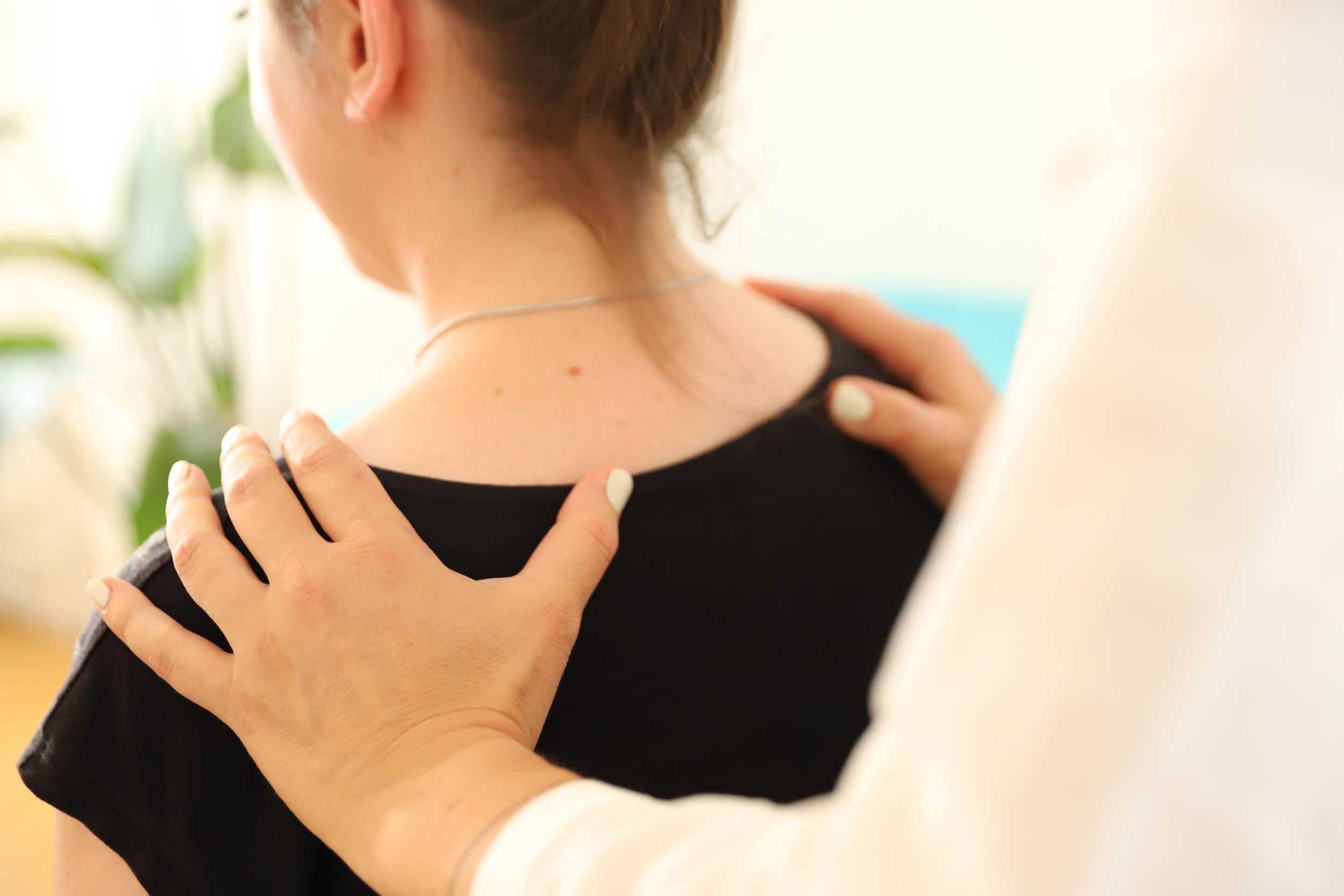
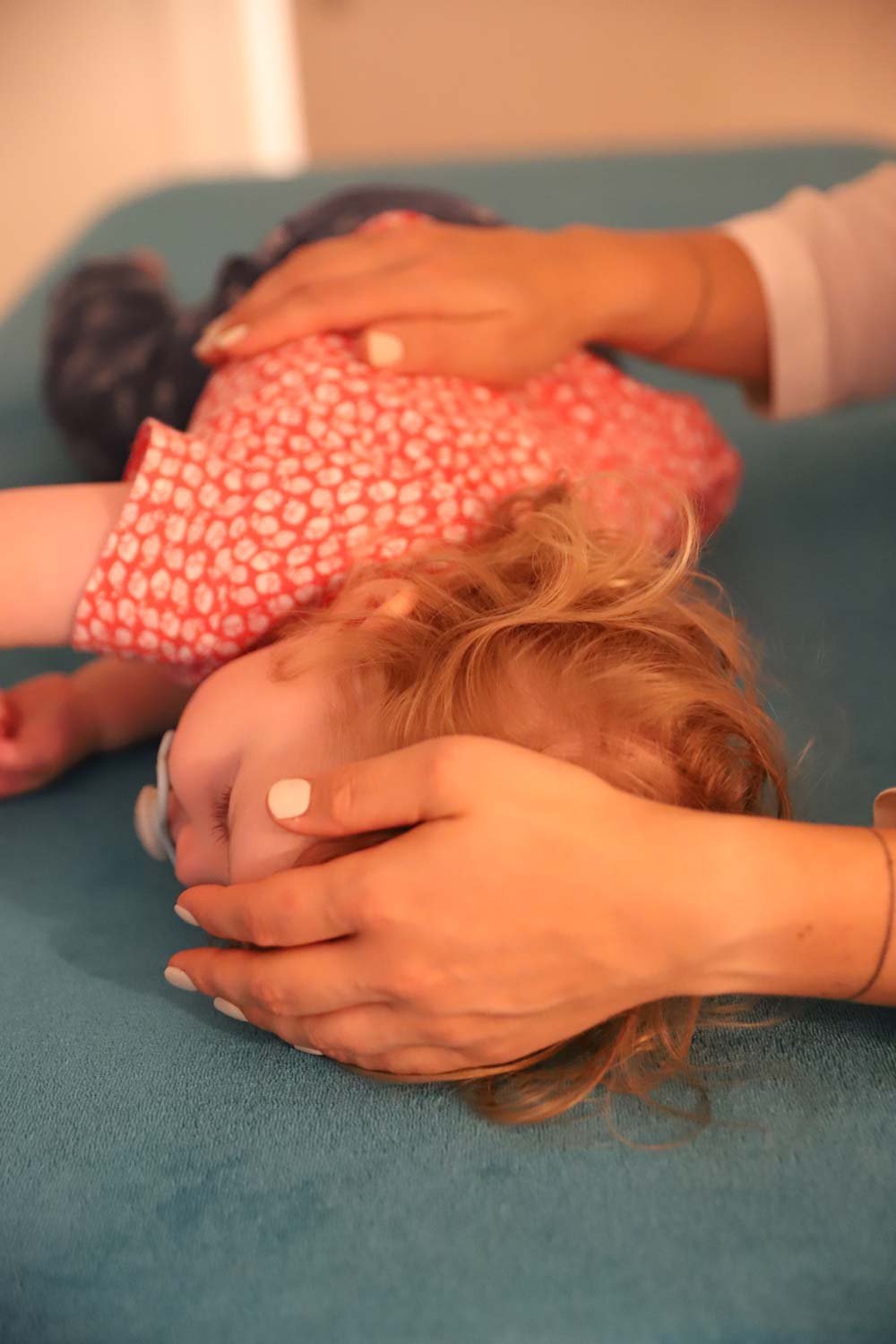
After the consultation, you will make yourself comfortable on a comfortable treatment table. You will remain fully clothed throughout the session. Blankets and a warming pad are available if needed. The treatment can also be performed while sitting, standing, walking, or, in the case of children, playfully on the floor.
I will gently touch your body to connect with various body systems and the craniosacral rhythm. In doing so, I feel the rhythmic movements of your craniosacral system and identify blockages or tensions. These are released using targeted, minimally invasive techniques to harmonize the flow of energy in your body. During the treatment, I ask questions about your feelings and experiences. There may also be moments of silence, which help your body to activate its self-healing powers and find resources.

3. Integration and follow-up discussion
In the concluding discussion after the treatment, you will have the opportunity to share your perceptions and feelings. Together, we will discuss how you can integrate the insights and changes you have gained into your everyday life.
What can you expect?
Many people find craniosacral therapy to be a deeply relaxing experience. Some report that it has a positive effect on their general well-being, especially in cases of stress, tension, or sleep problems. The perception and effect of the treatment are individual—while some feel changes after just a few sessions, for others it happens gradually.
How often should cranio treatment take place?
The recommended treatment schedule depends on individual needs. Some people opt for weekly sessions during acute phases, while others prefer longer intervals between appointments. Several sessions may be beneficial in order to promote lasting change. However, each person responds differently to treatment.
Who is craniosacral therapy suitable for?
Craniosacral therapy is suitable for people of all ages, from newborns to seniors. This gentle and effective method can be helpful for a variety of complaints and symptoms, including:
Chronic pain
Headaches and migraines
back pain
Stress and exhaustion
sleep disorders
Trauma and emotional stress
Jaw joint problems (e.g., teeth grinding)
concentration problems
ADD, ADHD
ASD (autism spectrum disorders)
Long Covid
Tinnitus
Birth preparation and support during pregnancy
Postnatal support
Infant and child treatments (colic, crying babies, adjustment difficulties)
Neurological disorders (e.g., multiple sclerosis, Parkinson's disease)
Immune system strengthening
Fibromyalgia and chronic fatigue syndrome
sports injuries
Anxiety and panic attacks
In combination with conventional medicine, craniosacral therapy can be beneficial for:
Orthodontic treatments (e.g., braces and dental treatments of all kinds)
burnout
depression
Before and after surgical procedures
Before, during, and after cancer treatment
Rehabilitation after strokes
Chronic diseases (e.g., arthritis, lupus, autoimmune diseases)
Asthma and respiratory diseases
cardiovascular diseases
diabetes
Migraine and tension headaches
palliative care
